
15-40%
Higher hydraulic capacity vs. same OD alternatives
Explore Alternative Views
Oriented PVC For Pressure Pipelines
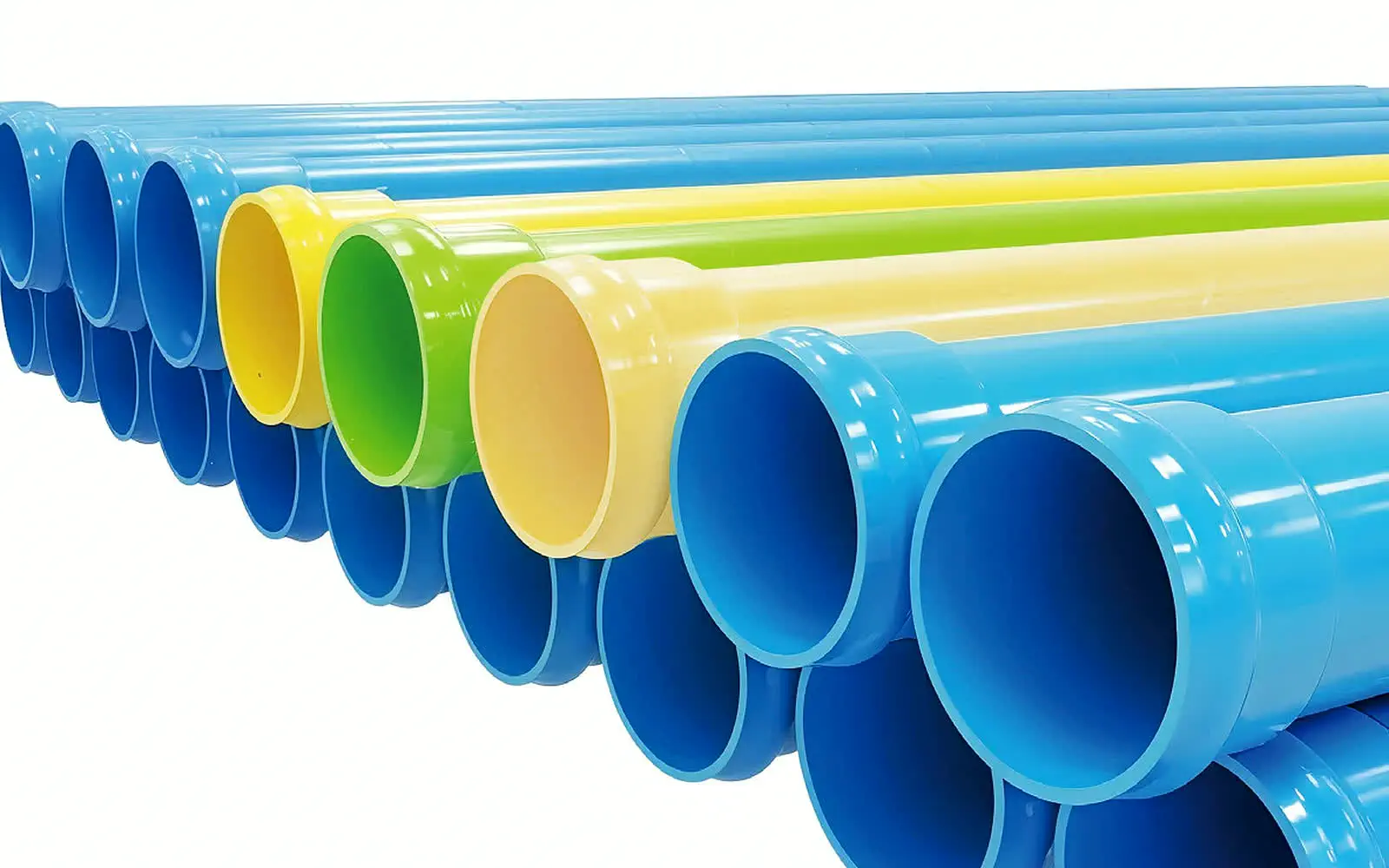
PVC-O Class 500 pipes use molecular orientation to improve mechanical behavior and hydraulic performance. The result is a lighter, tougher, and more efficient pressure pipeline solution for modern infrastructure.
15-40%
Higher hydraulic capacity vs. same OD alternatives
Class 500
Molecular orientation class for high mechanical performance
DN90-1200
Wide diameter range for municipal and irrigation projects
PN12.5-25
Pressure classes for diverse network requirements
How It Works
PVC-O is produced by orienting PVC molecules in a controlled process. This orientation aligns material structure in a way that increases hoop strength, improves impact behavior, and enables thinner walls with larger internal diameter.
A precise manufacturing process aligns polymer chains to boost performance.
Improved short- and long-term pressure resistance plus strong ductility behavior.
Lower wall thickness and smooth inner surface improve flow efficiency.

Engineering Benefits
Higher internal flow section can reduce head losses and pumping energy over the asset lifecycle.
Strong hydrostatic behavior supports demanding pressure regimes and transient events.
High toughness helps reduce breakage risks during transport, handling, and installation.
Non-metallic behavior removes corrosion concerns and avoids protective coatings.
Lower pipe weight improves handling and can speed up on-site assembly operations.
Lower material demand and energy-efficient operation support long-term ESG goals.

Performance Snapshot
Technical ranges presented here are based on public PVC-O product information and should be validated against project-specific standards and supplier datasheets.
Applications
Stable quality, pressure resilience, and long-term integrity for potable water transmission and distribution.
Efficient flow behavior and robust installation profile for large agricultural infrastructure.
Durable pressure conveyance solution for process water, recycled water, and utility services.
High pressure reliability and smooth hydraulic characteristics for emergency-ready systems.
FAQ
PVC-O is molecularly oriented, which upgrades mechanical behavior and hydraulic efficiency compared with conventional non-oriented PVC for pressure applications.
Yes. PVC-O has strong corrosion immunity because it is non-metallic, so it does not require anti-corrosion coatings typical for metallic pipes.
In many systems, yes. Higher hydraulic capacity and smooth internal surfaces can help reduce pumping energy and lower lifecycle costs.
Always verify pressure class, design code compliance, jointing specification, surge profile, and installation conditions against local standards and supplier datasheets.